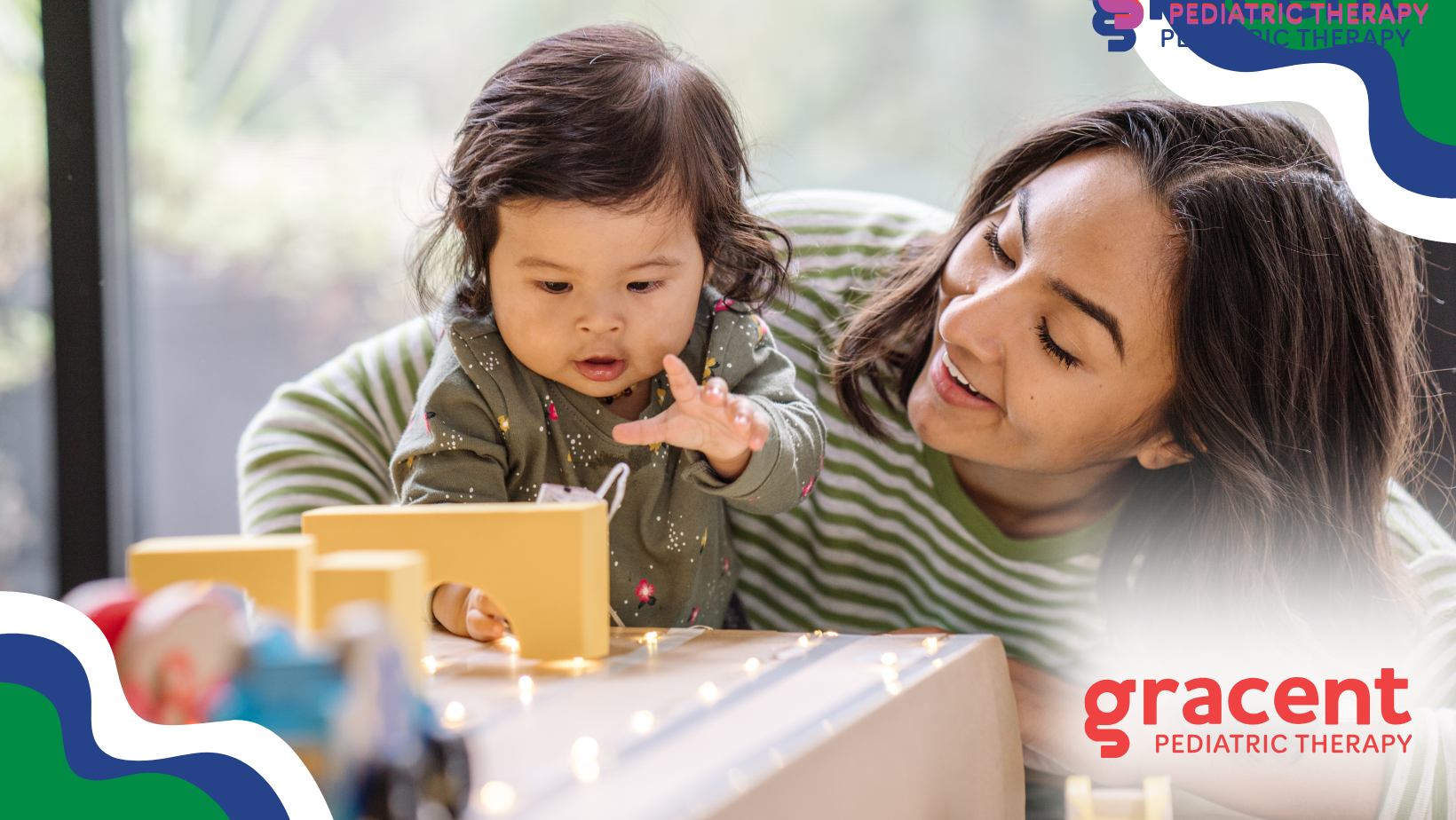
Speech delay vs. autism in toddlers: talking milestones, the gesture and play clues clinicians look for, when both happen together, and how to get answers.
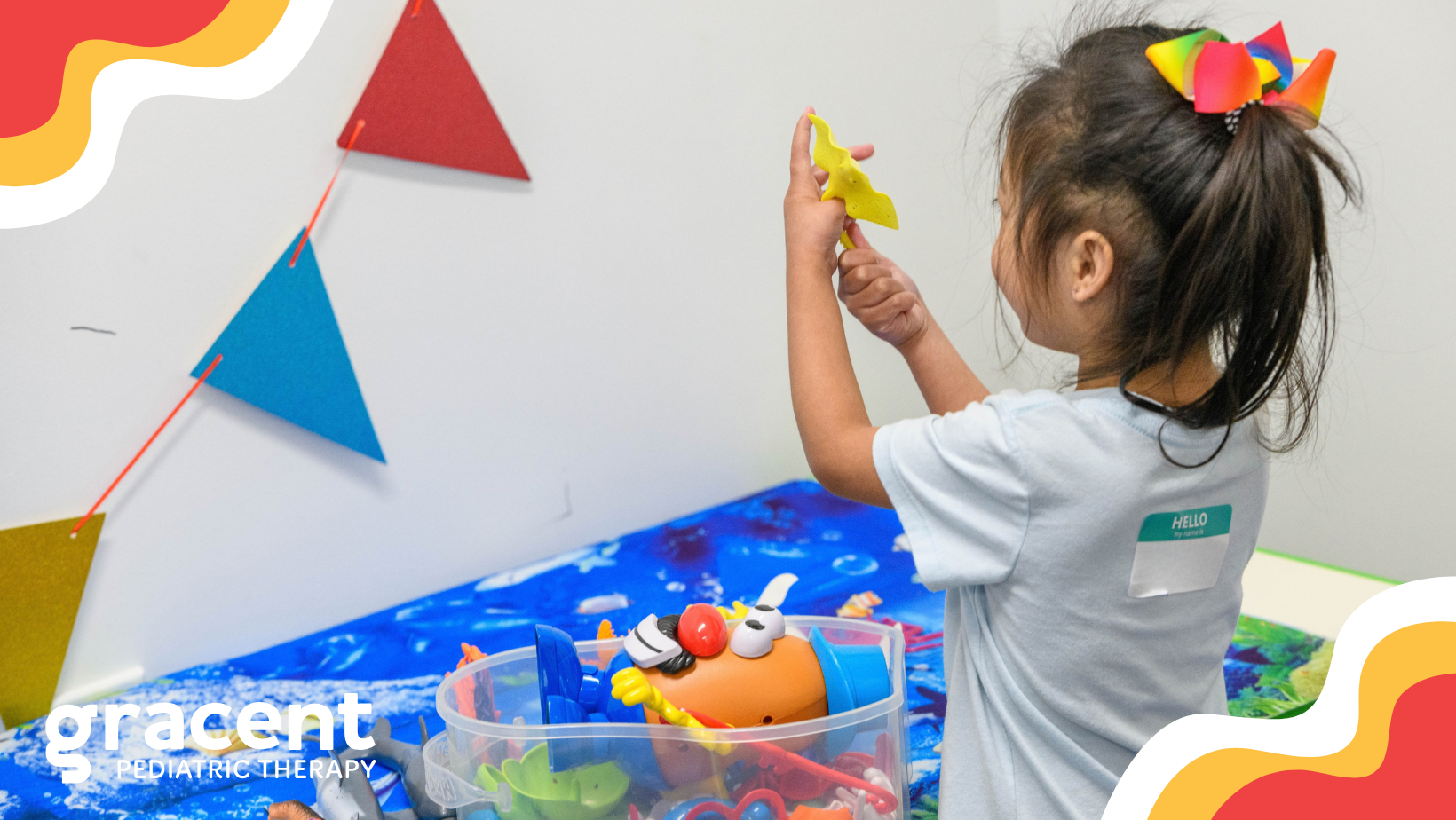
Have a question about your child? Our team will listen, answer your questions, and help you find the right next step, with no pressure.
The short answer: A speech delay means a child is learning to talk later than expected. Autism is broader: it affects how a child connects and communicates with others, and it usually comes with repetitive behaviors or sensory differences too. The biggest clue is often what a child does without words. Many late talkers point, wave, bring you things to show you and look to your face to share a moment. Autistic toddlers more often communicate in other ways. The two can also happen together, and only an evaluation can tell you which is which.
If you're asking this question, you've probably been watching closely for a while. That's not overthinking. That's paying attention, and it's exactly how most families find the right support.
Very common. Between 10% and 20% of 2-year-olds are late talkers, according to the American Speech-Language-Hearing Association (ASHA). About half to two-thirds of them catch up with their peers by the late preschool or early school years. Children who have trouble understanding words, not just saying them, are less likely to catch up on their own.
These come from the CDC's milestone checklists. Each one is something at least 75% of children can do by that age, so missing one is a reason to ask, not a reason to panic.
For the full list, see our guide to toddler milestones.
Words are only one part of communication. Clinicians look closely at everything else a child does to connect with you.
No single sign means a child is or isn't autistic. Lots of late talkers have one or two traits from the second list, and some autistic children have plenty from the first. That's why the full picture matters more than any checklist.
Yes. Many autistic children also have a language delay or language disorder, and some children who start out as late talkers are later diagnosed with autism. A speech delay doesn't rule autism out, and an autism diagnosis doesn't mean speech therapy isn't needed. Many children benefit from both.
You don't have to "wait and see." Getting it checked gives you a plan, whatever the answer turns out to be. If an evaluation shows a simple delay, watching closely may be part of that plan, but it will be a plan, not a guess.
Our speech-language pathologists work side by side with our ABA, occupational therapy and evaluation teams, so if speech is only part of the picture, your child doesn't have to start over with a new provider.
Look at how your child communicates without words. Children with a speech delay alone usually point, gesture, share attention and play pretend. Autistic children more often show differences in these social skills, along with repetitive behaviors or sensory differences. An evaluation is the only way to know for sure.
Between 10% and 20% of 2-year-olds are late talkers, and many catch up. By age 2, most children say at least two words together. If yours isn't, it's worth talking to your pediatrician and asking about a speech evaluation.
It's uncommon for a speech delay to be the only difference in an autistic child. Clinicians usually also see differences in gestures, shared attention, play or behavior. If you're unsure, an evaluation can look at the whole picture.
About half to two-thirds of late talkers catch up by the late preschool or early school years. Children who also have trouble understanding language are less likely to catch up without support.
You don't have to. An evaluation won't hurt, and it gives you clear answers and a plan sooner.
Sources: CDC "Learn the Signs. Act Early." milestone checklists (2022 update); American Speech-Language-Hearing Association, Late Language Emergence and Autism practice portals; American Academy of Pediatrics, HealthyChildren.org pages on language delay and early signs of autism.
Our speech-language pathologists and evaluation team can help you sort it out, and we check your benefits before your child's first visit.
One call is enough to start. Call 817-984-8655.



Gracent Pediatric Therapy — formerly Pine Cone Therapies in Texas and includes three North Shore Pediatric Therapy centers in Illinois — is part of the Gracent network and a sister company to North Shore Pediatric Therapy. Together, we’re creating connected, compassionate care for children and families across every stage of growth.
Services at North Shore Pediatric Therapy and Gracent Pediatric Therapy centers are provided by affiliated professional corporations.