Every child has emotional experiences that shape how they feel, learn, and connect with the world.
Our mental health support is about building emotional confidence, supportive coping skills, and strong family connection.
Your child’s mind, heart, and relationships matter here.
We help children make sense of how they feel and translate that into tools they can carry with them.
Focused 1:1 time with a licensed clinician to explore thoughts, feelings, and behaviors in a supportive, child-centered way.
When children feel understood, supported, and equipped with tools to express themselves, they grow:
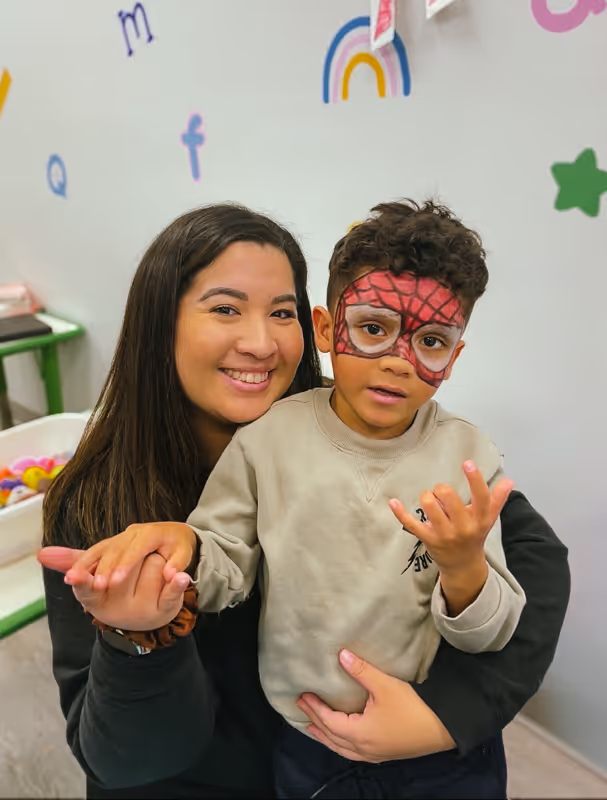

Growth happens in connection. We help families develop strategies that promote confidence, consistency, and understanding at home and in daily routines.
Get started now
Children communicate in many ways — through words, play, art, and movement. Our clinicians use methods that meet kids where they are and help them express themselves with safety and joy.
Get started now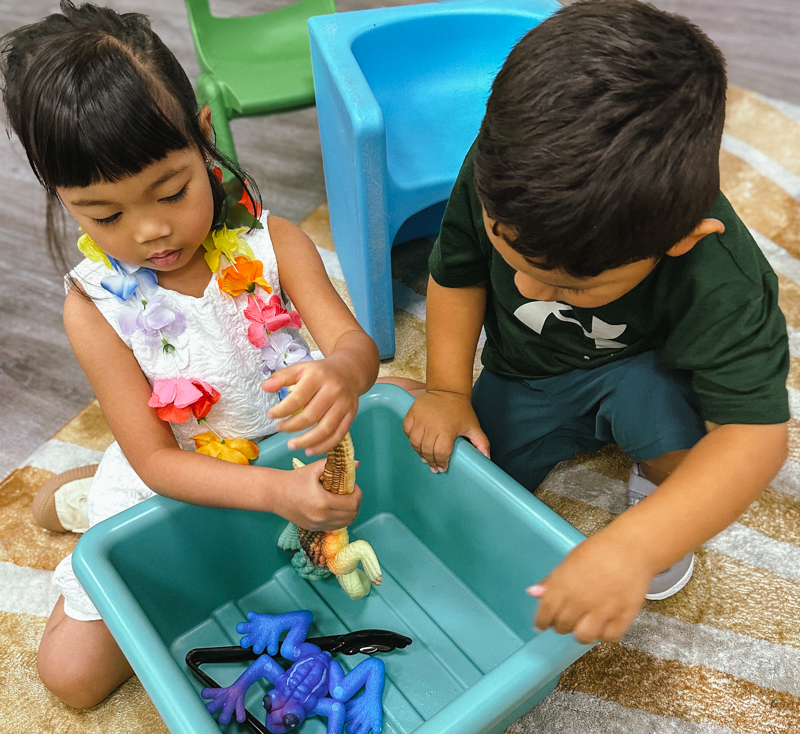
We help children and families working with experiences such as:
We learn about your child’s strengths, challenges, routines, and what matters most to you

ABA, speech, OT, and neuropsychology experts design a unified, personalized plan that reflects how your child learns best

Skills learned in therapy begin to show up naturally — at home, with peers, and in school routines — because our focus is real-world carryover

I can't stress enough how proud we are of the turnaround my son has been doing. He went from behaviors everyday to smaller behaviors, he went from little words to actually trying to communicate better with everyone that he comes across. Thank you so much for the patience, love and dedication you have given my son.
I can't sing their praises loud enough - convenient location, great staff and a really good experience for my daughter who actually counts down the days between appointments since she has such a good time.
I am so happy with the therapy my child has received from this clinic. My child looks forward to visiting with his therapist and the improvement we have seen in our child in a short time is amazing.

Children benefit from mental health support for many reasons — not just during moments of crisis. Therapy can help children build emotional awareness, confidence, coping strategies, and communication skills that support them at home, at school, and with peers. If your child is experiencing big emotions, navigating changes, or simply could use extra support, therapy can be a positive and proactive step.
We support children and adolescents across a wide range of developmental stages. Our clinicians tailor their approach based on your child’s age, personality, and needs to ensure therapy feels comfortable, engaging, and meaningful.
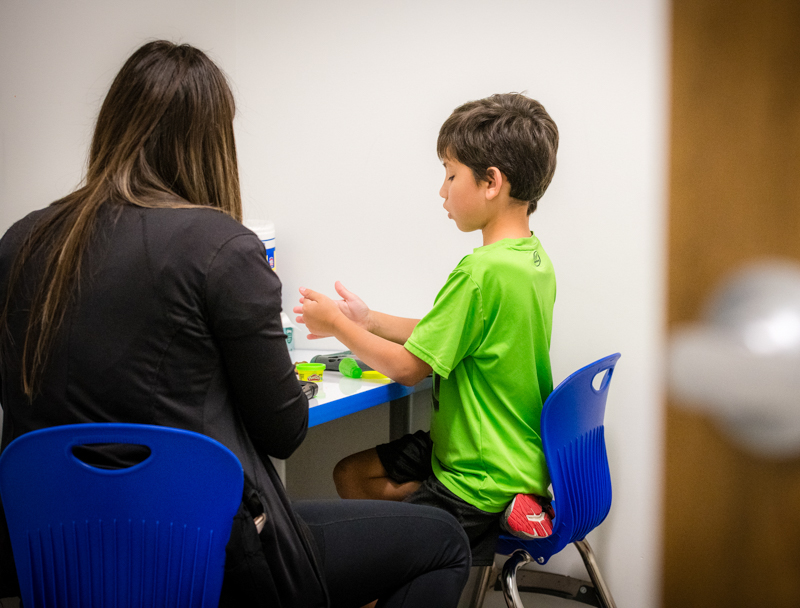
Sessions are developmentally appropriate and child-centered. Depending on your child’s age and goals, therapy may include conversation, play, activities, creative expression, or skill-building exercises. While sessions are structured with intention, they’re designed to feel natural, safe, and engaging for your child.
Not at all. Children communicate and learn in many ways. Therapy may involve play, movement, games, art, or hands-on activities — all intentionally chosen to help children express feelings, practice skills, and build confidence in ways that feel authentic to them.
Yes. We believe growth happens best when families are supported, too. Parent involvement may include regular check-ins, guidance, and strategies to help reinforce skills at home. The level of involvement is always thoughtful, collaborative, and based on what best supports your child.
Our mental health services support children working on things like emotional regulation, anxiety, confidence, stress, focus, transitions, social relationships, and coping skills. We focus on helping children understand themselves, build resilience, and develop tools they can use in everyday life.
Many families seek mental health services to support emotional growth, navigate life transitions, or build important skills. We meet your child where they are and design care around their individual strengths and needs.
Depending on your insurance plan, a referral or formal diagnosis may be required for coverage. Our team will help you understand your benefits and guide you through any necessary steps before getting started.
Getting started is simple. Reach out to our team to schedule an intake or ask questions about fit, availability, and goals. We’re here to help you decide what support will best serve your child and your family.



Gracent Pediatric Therapy — formerly Pine Cone Therapies in Texas and includes three North Shore Pediatric Therapy centers in Illinois — is part of the Gracent network and a sister company to North Shore Pediatric Therapy. Together, we’re creating connected, compassionate care for children and families across every stage of growth.
Services at North Shore Pediatric Therapy and Gracent Pediatric Therapy centers are provided by affiliated professional corporations.