What your child's first week of ABA looks like: building trust through play, what you'll do, what to pack, and which first-week worries are normal.
Have a question about your child? Our team will listen, answer your questions, and help you find the right next step, with no pressure.
The short answer: Your child's first week of ABA is mostly about trust. Before much teaching happens, the therapist spends time getting to know your child through play, learning what they love, and becoming someone your child is happy to see. You'll meet the team, share what matters most to your family, and get a feel for the routine. Some kids walk right in and some need time, and both are normal. Real skill-building comes once your child feels safe.
Starting ABA can feel like a lot, especially if you've spent months on waitlists, assessments, and insurance calls to get here. Knowing what the first days actually look like makes it easier, for you and for your child.
By the time sessions start, a few things are usually already done:
If any of these feel unclear, ask before day one. A good team would rather answer questions now than have you worried at drop-off.
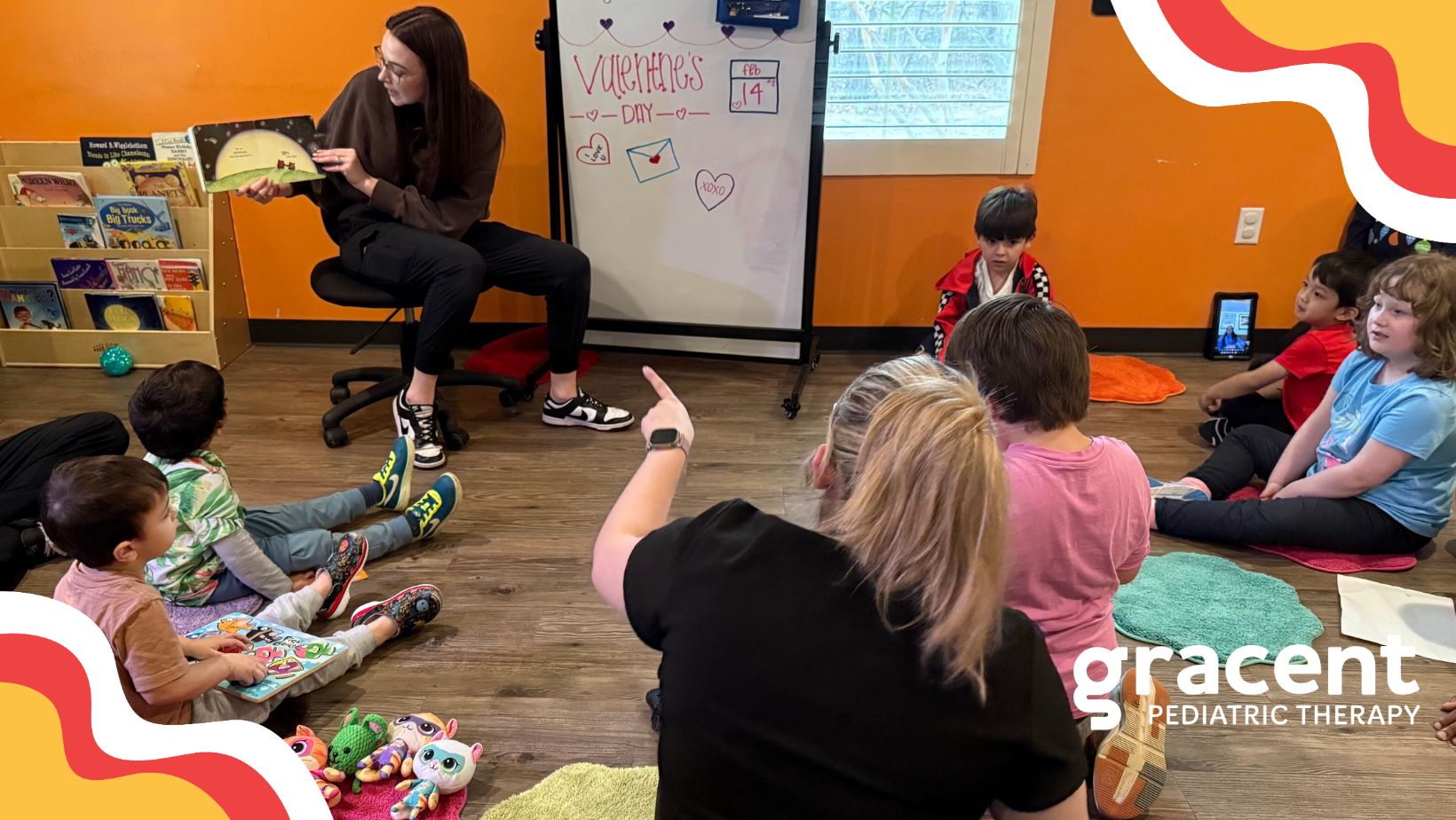
The first sessions are often called "pairing." It just means the therapist pairs themselves with things your child already enjoys, so your child starts to connect them with good things.
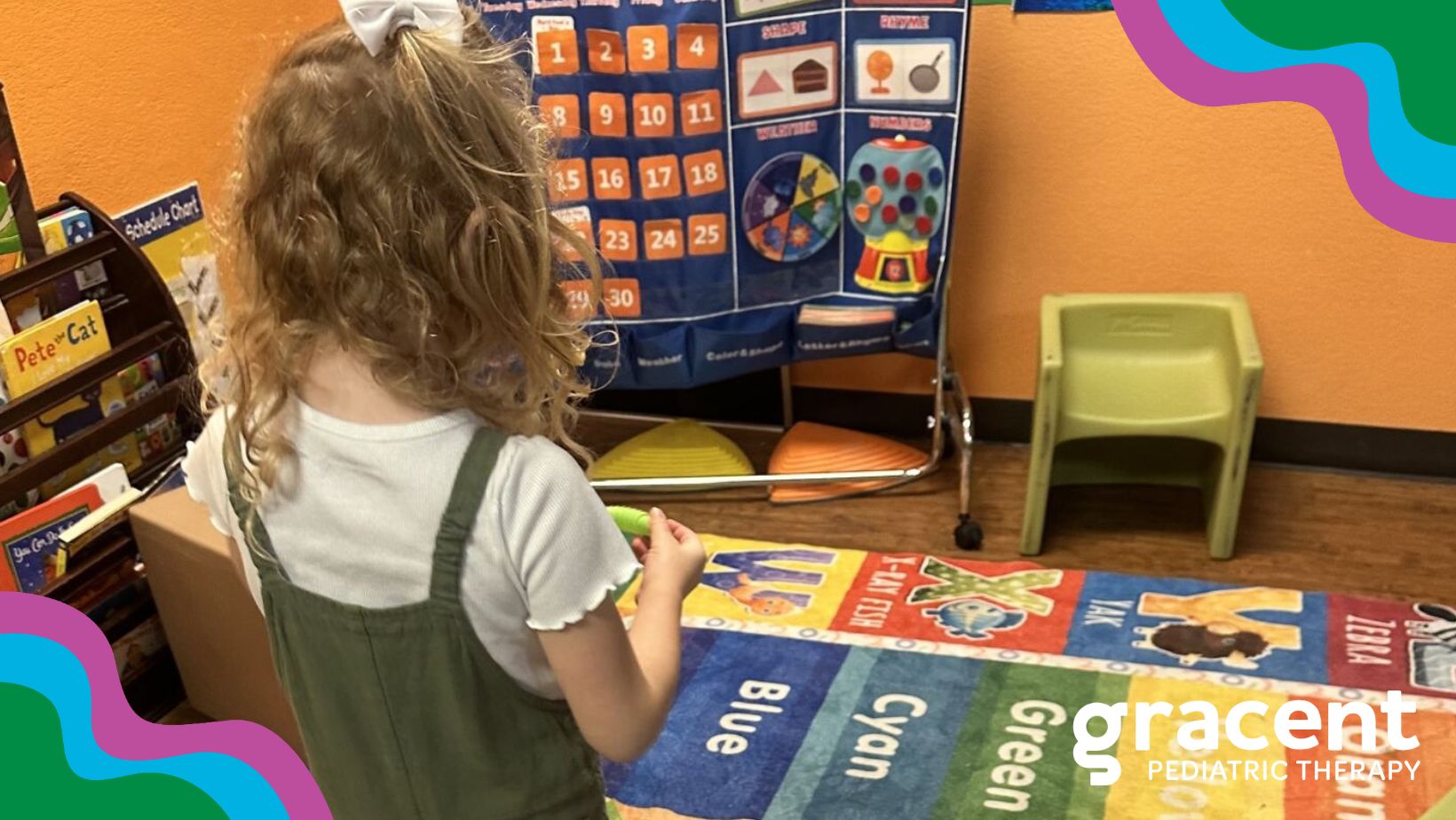
In practice, that looks like a therapist on the floor with your child, blowing the bubbles, racing the cars, singing the song again (and again). They follow your child's lead and ask for very little. To an outsider it looks like play, and it is. It's also the foundation for everything that comes next.
During these days the therapist is also learning:
That last one matters a lot. Paying attention to your child's assent, their signs of willingness to take part, is part of ethical ABA. If your child pulls away, the therapist backs off and tries a different way in.
As your child warms up, the therapist starts weaving small learning moments into play. A favorite toy might sit just out of reach so your child has a reason to ask for it, in whatever way works for them. Turn-taking slips into a game. Snack time becomes a chance to make choices.
The therapist also starts collecting data. That's how your BCBA sees where your child is and checks that the goals in the plan are the right ones. Some goals get adjusted in the first few weeks, and that's a sign the team is paying attention.
Very common, especially for toddlers in any new place. Tears at the door often stop soon after. Ask the team how your child did after you left, and how they helped. If the upset continues inside or gets bigger day after day, that's a conversation to have with your BCBA.
It's supposed to. Trust and motivation come first, and play is where young children learn best. You should start seeing more structure woven into the play as your child settles in.
New places, new people, and new routines take a lot of energy. Extra naps or early bedtimes in the first couple of weeks are common. If tiredness doesn't ease, mention it, since schedules can be adjusted.
Big changes can show up at home for a little while. Share what you're seeing with the team. They want to know, and they can help.
Some uncertainty in the first week is expected. Talk with your BCBA if:
Your questions should always be welcome. ABA works best when your family is part of the team.
Over the following weeks, sessions take on more of a rhythm, the data starts to show patterns, and you'll get regular updates and coaching. Most families find their footing within the first month. Hours and goals aren't set once and forgotten: as your child grows, the plan changes with them.
To learn more about the team your child will work with, read BCBA vs. RBT: who works with your child. For a bigger-picture look at early ABA, see ABA therapy for toddlers.
Policies vary by provider, and many welcome parents for at least part of the first sessions. Ask ahead of time. Some children settle faster with a parent nearby, and others do better after a quick goodbye.
Many children are comfortable within the first week or two, and some need longer. A good team lets your child set the pace and builds trust before asking much of them.
Ideally, a small, consistent team. Ask who will work with your child and how the team will handle days when someone is out.
It depends on your child and their goals. Early progress often looks like small things: walking in more easily, asking for a favorite toy, or trying something new. Your BCBA should share progress with you regularly.
Sources: American Academy of Pediatrics, clinical report on autism spectrum disorder (Pediatrics, 2020); BACB Ethics Code for Behavior Analysts, code 2.11; Schreibman et al., naturalistic developmental behavioral interventions (Journal of Autism and Developmental Disorders, 2015).
Our BCBAs build every plan around your child, and your questions are welcome from the first call. We check your benefits before your first visit.
One call is enough to start. Call 817-984-8655.



Gracent Pediatric Therapy — formerly Pine Cone Therapies in Texas and includes three North Shore Pediatric Therapy centers in Illinois — is part of the Gracent network and a sister company to North Shore Pediatric Therapy. Together, we’re creating connected, compassionate care for children and families across every stage of growth.
Services at North Shore Pediatric Therapy and Gracent Pediatric Therapy centers are provided by affiliated professional corporations.