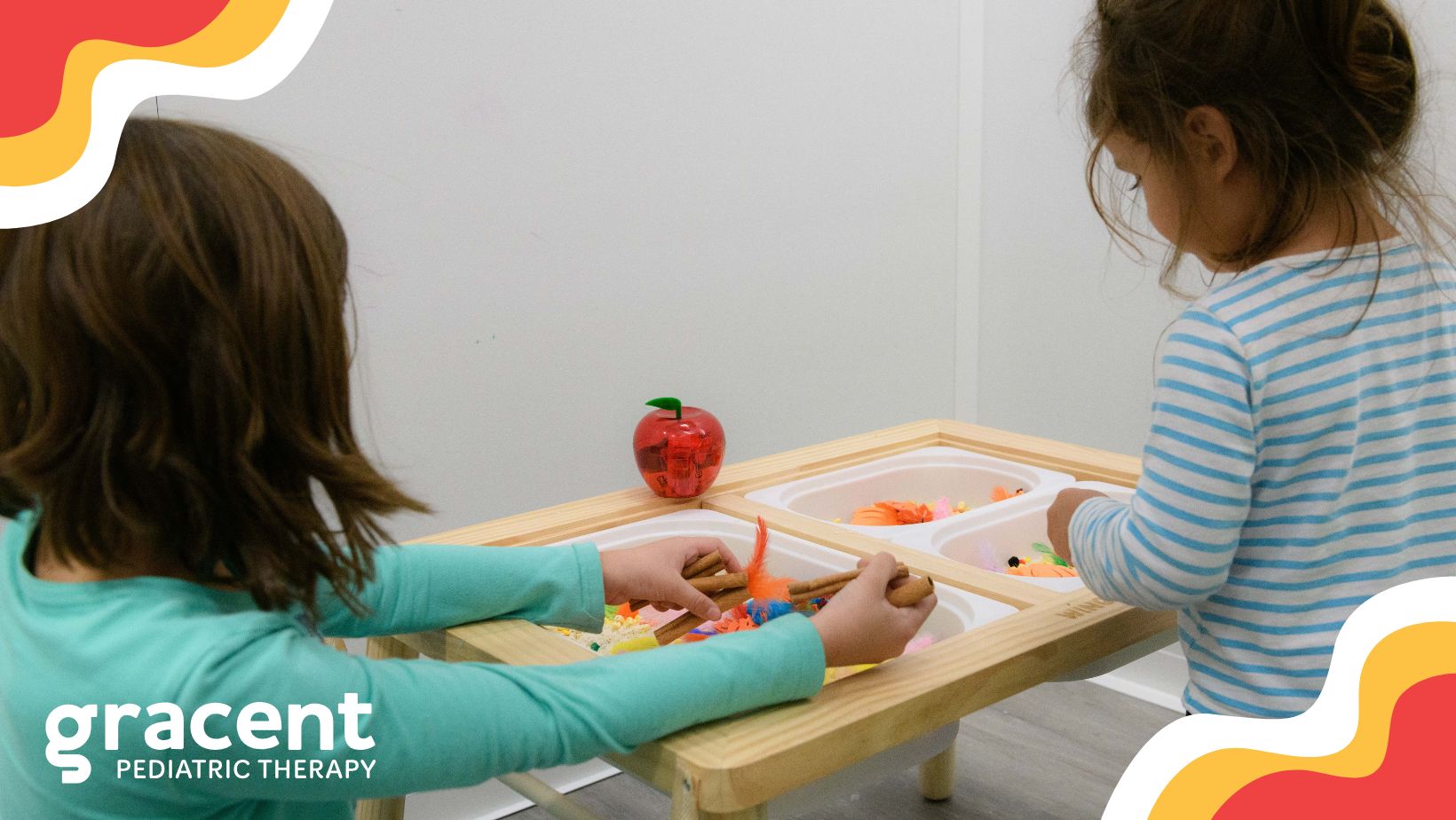
ABA therapy for toddlers explained: play-based sessions, typical goals at 2 and 3, the BCBA and RBT roles, how many hours, and what the first weeks look like.
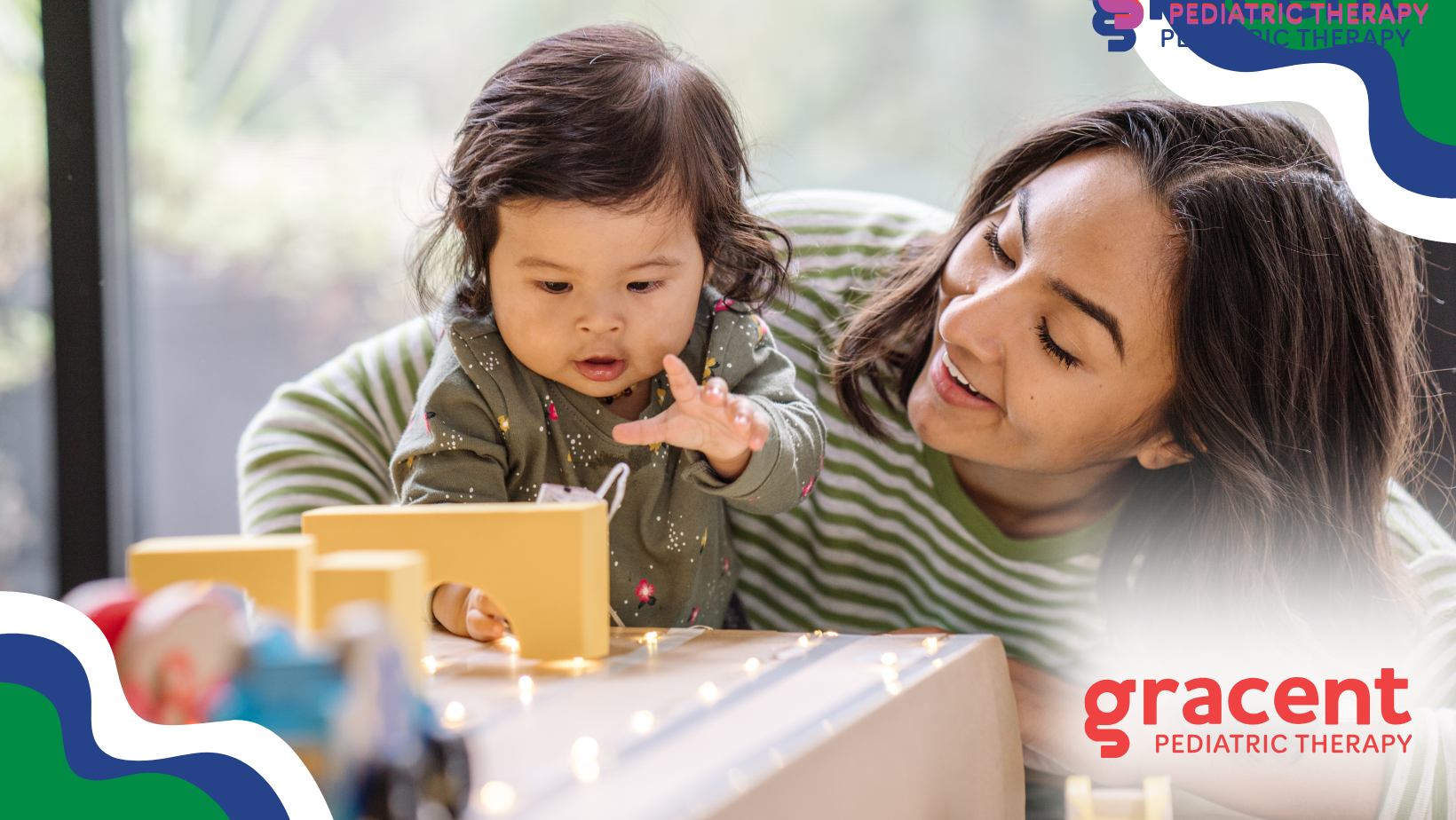
Have a question about your child? Our team will listen, answer your questions, and help you find the right next step, with no pressure.
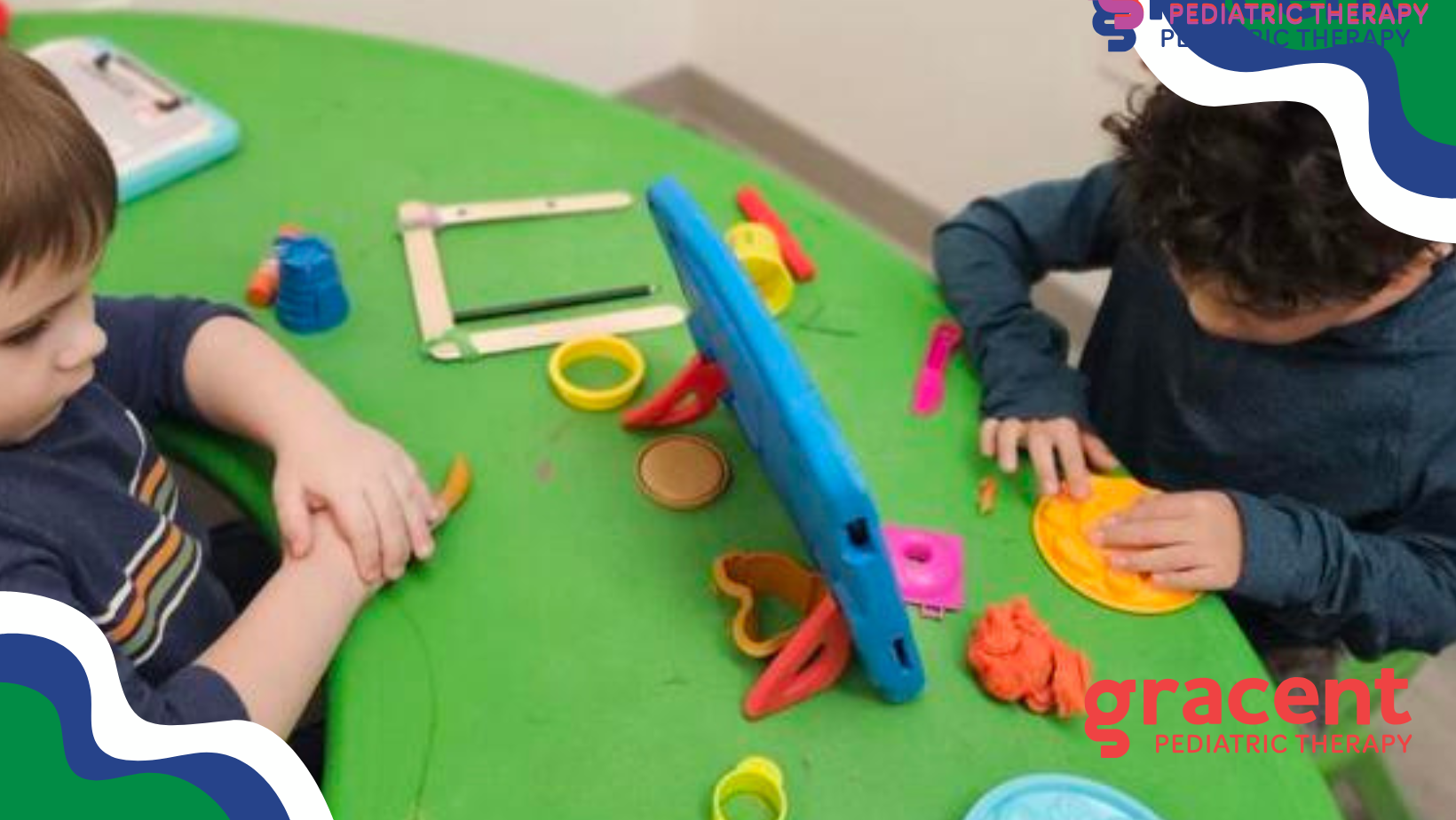
The short answer: ABA (applied behavior analysis) for toddlers usually doesn't look like a desk and flashcards. For 2- and 3-year-olds, good ABA looks a lot like play: a therapist on the floor with your child, following their interests, and building communication, play and everyday skills into bubbles, snack time, songs and toys. A Board Certified Behavior Analyst (BCBA) designs the plan, a trained therapist works with your child, and you're coached along the way. How many hours your child needs depends on your child, not a preset number.
If your toddler was just diagnosed, or you're wondering whether ABA is right for them, it's normal to feel unsure about what you're signing up for. Here's what it actually looks like.
ABA is a way of teaching that uses what we know about how children learn: noticing what motivates a child, breaking skills into small steps and celebrating progress. Progress is tracked closely, so the team can see what's working and change what isn't. The American Academy of Pediatrics notes that most evidence-based approaches for autistic children are built on ABA principles.
ABA covers a wide range of styles, from highly structured teaching at a table to learning that happens naturally during play and daily routines. For toddlers, the play-based end of that range is usually the best fit.
For young children, many teams use what researchers call naturalistic developmental behavioral interventions, or NDBIs. The Early Start Denver Model (ESDM) is one of the best-studied examples. In practice, that means:
Every plan is different, but goals for 2- and 3-year-olds often include:
At our centers, BCBAs work alongside speech-language pathologists and occupational therapists on the same plan, so your child's goals line up across every service.
There's no standard number, and a plan that starts from one isn't really a plan. The best ABA is built around the child in front of you. Before recommending hours, a good BCBA looks at the whole picture:
Hours aren't set once and forgotten. As your child grows and progress data comes in, the plan changes with them, sometimes up, sometimes down. Your BCBA should be able to explain exactly how they arrived at your child's recommendation. If every kid gets the same plan, it's not a plan.
The ethics code for behavior analysts requires BCBAs to get assent from children when it applies. Assent means watching for your child's signs of willingness to take part, like moving toward an activity, and paying attention when they pull away. In good toddler ABA, a child who says "no" with their words or body is being heard. The therapist pauses, adjusts and tries again in a way that works for your child. Sessions should feel like something your child wants to come back to.
Research, especially on play-based approaches like ESDM, suggests early support can help many young children build communication, play and everyday skills. Results vary from child to child, and no one can promise a specific outcome. What you should expect is a clear plan, regular progress updates and a team that changes course when something isn't working. If you've heard concerns about ABA, our article on common myths about ABA walks through them.
Many 3-year-olds are heading toward preschool or a classroom. Our half-day school-readiness program helps children who still need one-on-one support practice classroom routines, like circle time, following group directions and being with other kids, alongside their therapy.
Many children start ABA between ages 2 and 3, and some start earlier. Most insurance plans need an autism diagnosis first, so getting an evaluation early helps. See our guide to the M-CHAT-R screener if you're just starting to wonder.
Mostly play. A therapist follows your child's interests and builds in chances to communicate, copy, take turns and practice routines like snack and cleanup. To an outsider, it often looks like a fun playdate with a purpose.
It depends on your child. Hours should come from your child's assessment, goals, age and stamina, and the rest of their week, not a standard number. Ask your BCBA to walk you through how they arrived at the recommendation, and expect it to change as your child grows.
No. ABA plans set goals, track progress and change as your child gains skills. Many children need fewer hours over time or move on to other supports, like school services or speech therapy.
Not for every minute, but parent coaching is a big part of toddler ABA. The more you practice the same strategies at home, the more your child's new skills show up in everyday life.
Sources: American Academy of Pediatrics, clinical report on autism spectrum disorder (Pediatrics, 2020); CDC, autism treatment and intervention services; Schreibman et al., naturalistic developmental behavioral interventions (Journal of Autism and Developmental Disorders, 2015); BACB Ethics Code for Behavior Analysts, code 2.11.
Our BCBAs build every plan around your child, not a preset number of hours, and they work side by side with our speech and occupational therapists. We check your benefits before your first visit.
One call is enough to start. Call 817-984-8655.



Gracent Pediatric Therapy — formerly Pine Cone Therapies in Texas and includes three North Shore Pediatric Therapy centers in Illinois — is part of the Gracent network and a sister company to North Shore Pediatric Therapy. Together, we’re creating connected, compassionate care for children and families across every stage of growth.
Services at North Shore Pediatric Therapy and Gracent Pediatric Therapy centers are provided by affiliated professional corporations.