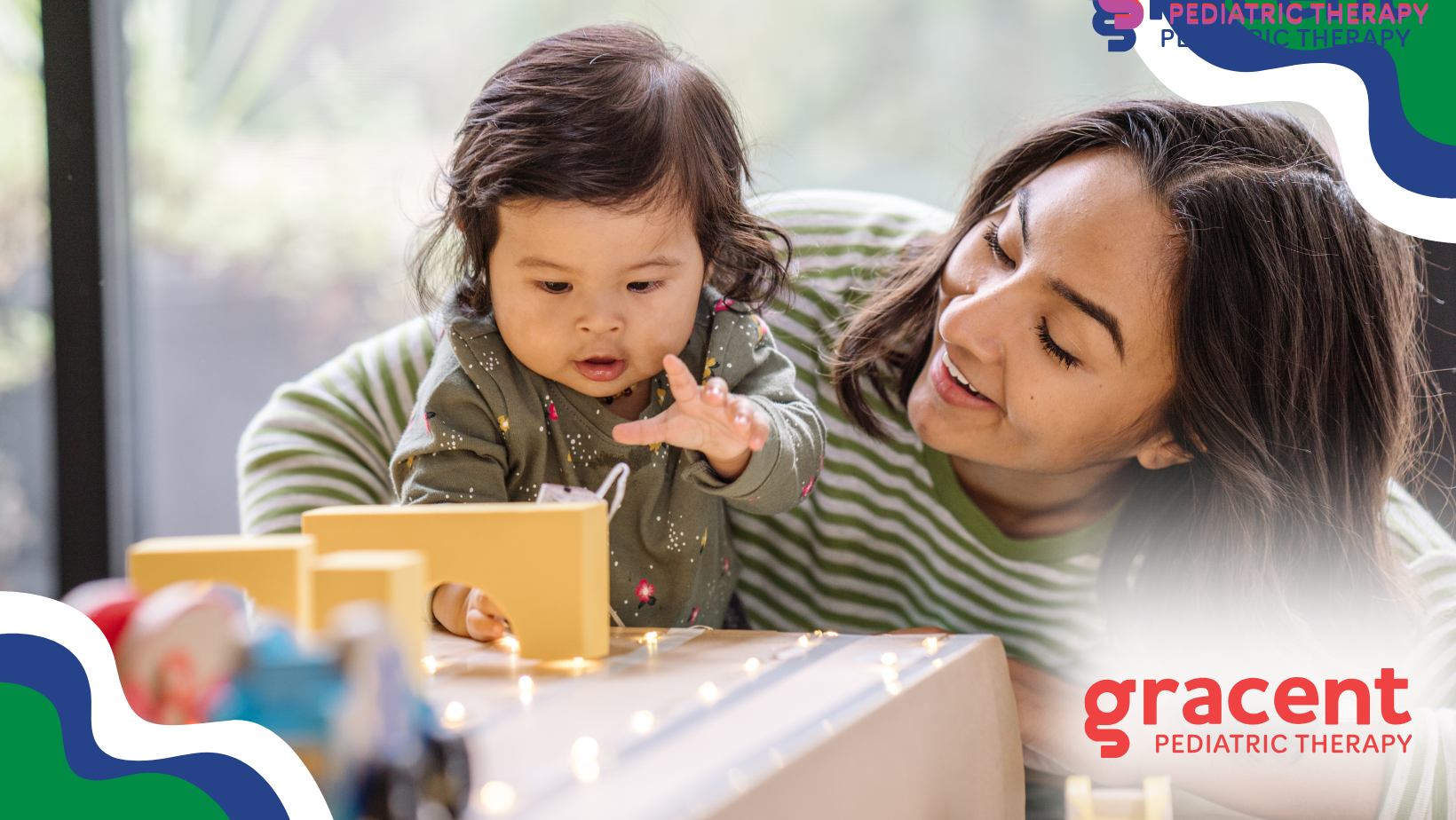
Worried about ABA therapy? Gracent Pediatric Therapy debunks the most common ABA myths and explains our compassionate, assent-based approach in Southlake & Keller, TX.
.png)
Have a question about your child? Our team will listen, answer your questions, and help you find the right next step, with no pressure.
Applied Behavior Analysis (ABA) therapy is one of the most researched and effective treatments for children with autism spectrum disorder (ASD) and other developmental challenges. ABA, or applied behavioral analysis, is a powerful tool for supporting autistic children by using research-based methods to improve communication, social skills, and adaptive behaviors. ABA therapy programs are tailored to each child’s goals, using evidence-based, personalized strategies that promote growth and independence. The US Surgeon General has endorsed ABA as an effective therapy for autistic individuals, further highlighting its credibility and scientific support.
Yet, when families begin to explore their options, it’s not uncommon to come across mixed or even conflicting information—whether online, from friends, or in school settings. These misunderstandings can create worry or hesitation for parents considering ABA therapy or other forms of behavioral therapy. Many families are seeking ABA services to support their child’s well-being and development.
This article will debunk some of the most common myths about ABA therapy while also highlighting Gracent Pediatric Therapy's compassionate, modern, and assent-based ABA approach. We will help families focus on changing behavior in meaningful ways and explain the importance of good ABA programs that are individualized to each child’s unique needs.
Applied Behavior Analysis (ABA) is a science-backed approach that helps children with autism and other developmental differences learn new skills and make meaningful progress. ABA therapy is guided by Board Certified Behavior Analysts (BCBAs) and designed to:
ABA uses specific procedures to reinforce positive behaviors. These procedures are structured to help children acquire new skills and reduce problematic behaviors.
Every ABA program at Gracent Pediatric Therapy is individualized—tailored to each child's strengths, needs, and family goals, with a focus on skill development and supporting the child's emotional growth. Therapy is flexible and can take place in-clinic, at home, or in school settings, ensuring support is accessible where it’s most effective. Each therapy session is structured to reward positive behavior, build self-confidence, and monitor progress toward individualized goals.
ABA is grounded in scientific principles that guide its methods and ensure effective, ethical treatment for autistic children.
Applied Behavior Analysis (ABA) is grounded in the science of learning and human behavior. At its core, ABA therapy focuses on understanding why certain behaviors occur and how the environment influences those behaviors. For children diagnosed with autism spectrum disorder, this means identifying what motivates them, what challenges they face, and how to help them learn new skills that improve their daily lives.
ABA practitioners use behavior analysis to break down complex behaviors into smaller, teachable steps. This approach allows therapists and parents to see how learning happens and to create strategies that encourage positive changes. Whether the goal is to improve social skills, boost communication skills, or develop daily living skills, applied behavior analysis ABA is all about helping autistic children reach their full potential. By focusing on each child’s unique needs, ABA therapy becomes an effective tool for building confidence, independence, and meaningful connections.
ABA therapy uses a variety of proven techniques to help autistic children learn new skills and reduce inappropriate behaviors. One of the main strategies is positive reinforcement—rewarding a desired behavior with something meaningful, like praise, a favorite activity, or a small treat. This makes it more likely that the behavior will happen again in the future.
Another key part of ABA is understanding what happens before and after a behavior occurs. By looking at these patterns, therapists can figure out why certain behaviors happen and how to encourage positive behavior change. Techniques such as prompting, modeling, and gradually fading support help children learn new skills at their own pace. Through these evidence-based methods, ABA therapy empowers children to replace undesired behaviors with more helpful ones, making everyday life smoother and more enjoyable for the whole family.
Starting ABA therapy early can make a world of difference for autistic children. Early intervention focuses on building foundational skills—like language and communication skills, social skills, and daily living skills—when children’s brains are most ready to learn. Techniques such as discrete trial training (DTT) break down complex skills into small, manageable steps, using repetition and clear instructions to help children master each part. Natural environment training (NET), on the other hand, uses play-based, real-life situations to teach new skills in a way that feels fun and natural.
By beginning ABA therapy as soon as possible, autistic children can make significant progress in communication, social interaction, and independence. These early gains set the stage for success in school, at home, and in everyday life, giving children the tools they need to thrive.
No two children are exactly alike, which is why individualized ABA therapy is so important. A board certified behavior analyst (BCBA) works closely with each child and their family to design an ABA program that fits their unique strengths, challenges, and family situation. This personalized approach ensures that therapy targets the skills and behaviors that matter most to your child and your family.
Individualized ABA therapy is not a one-size-fits-all solution. It involves ongoing assessment, regular communication with parents, and adjustments to the therapy plan as your child grows and learns. By focusing on what works best for each individual learner, ABA therapy becomes more effective, helping children make meaningful progress and reach their goals.
Some believe ABA therapy is focused only on compliance or “controlling” behavior.
The reality: Modern ABA emphasizes building meaningful, functional skills that improve a child’s quality of life, with a focus on the child's unique needs. That might mean learning to ask for help, improving daily routines, building friendships, or developing independence.
At Gracent Pediatric Therapy, therapy goals are always centered on the child's well-being and focus on meaningful outcomes for both the child and family. Sessions are collaborative, supportive, and designed to empower—not pressure—children.
A common misconception is that ABA relies on punishment or harsh methods.
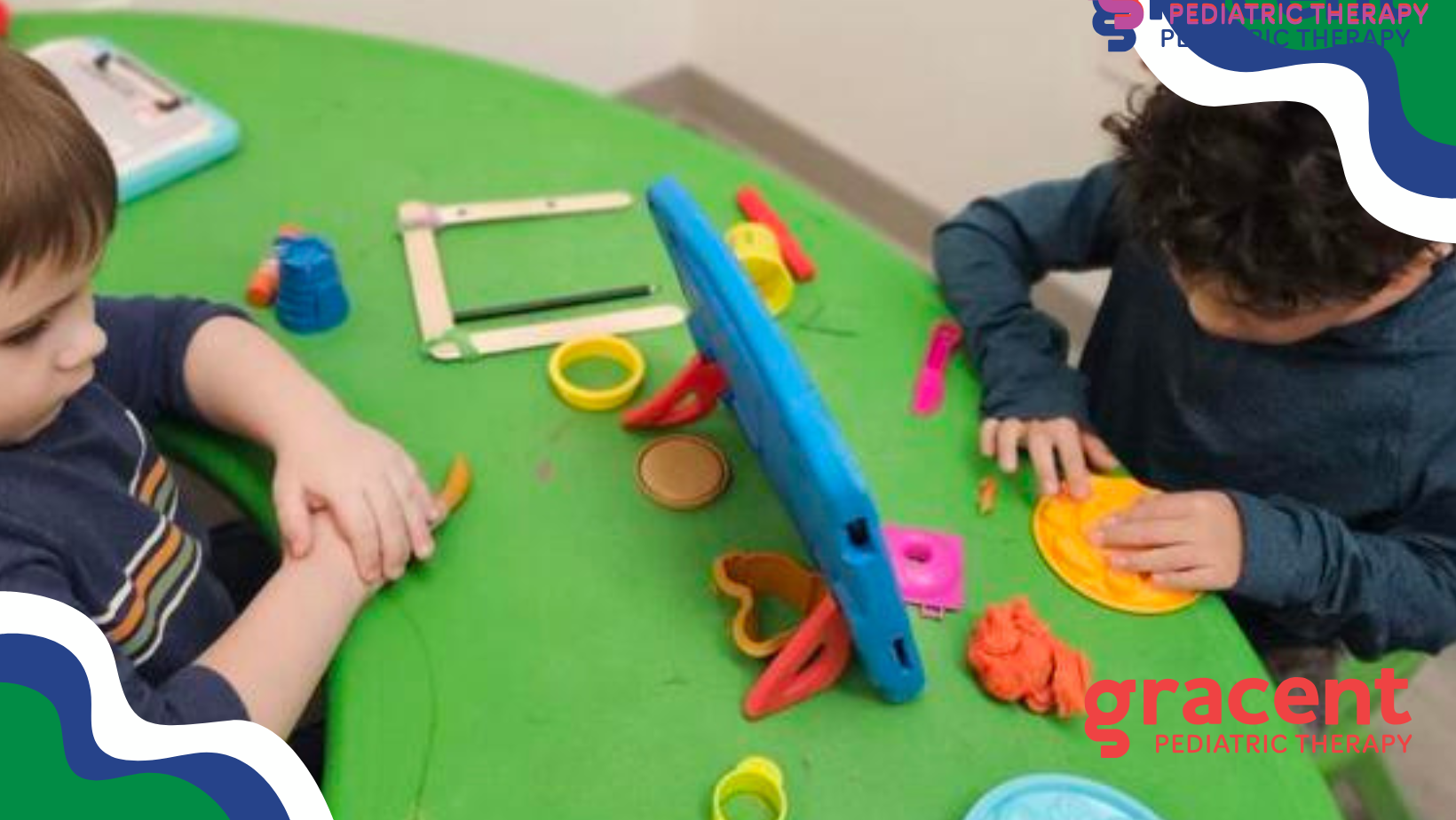
The reality: Today’s ABA is rooted in positive reinforcement and play-based learning. Modern ABA avoids punishing behaviors and instead emphasizes rewarding positive behavior, reflecting an ethical shift toward reinforcement-based methods. At Gracent Pediatric Therapy, therapists incorporate favorite toys, games, and interests into sessions to make learning motivating and enjoyable.
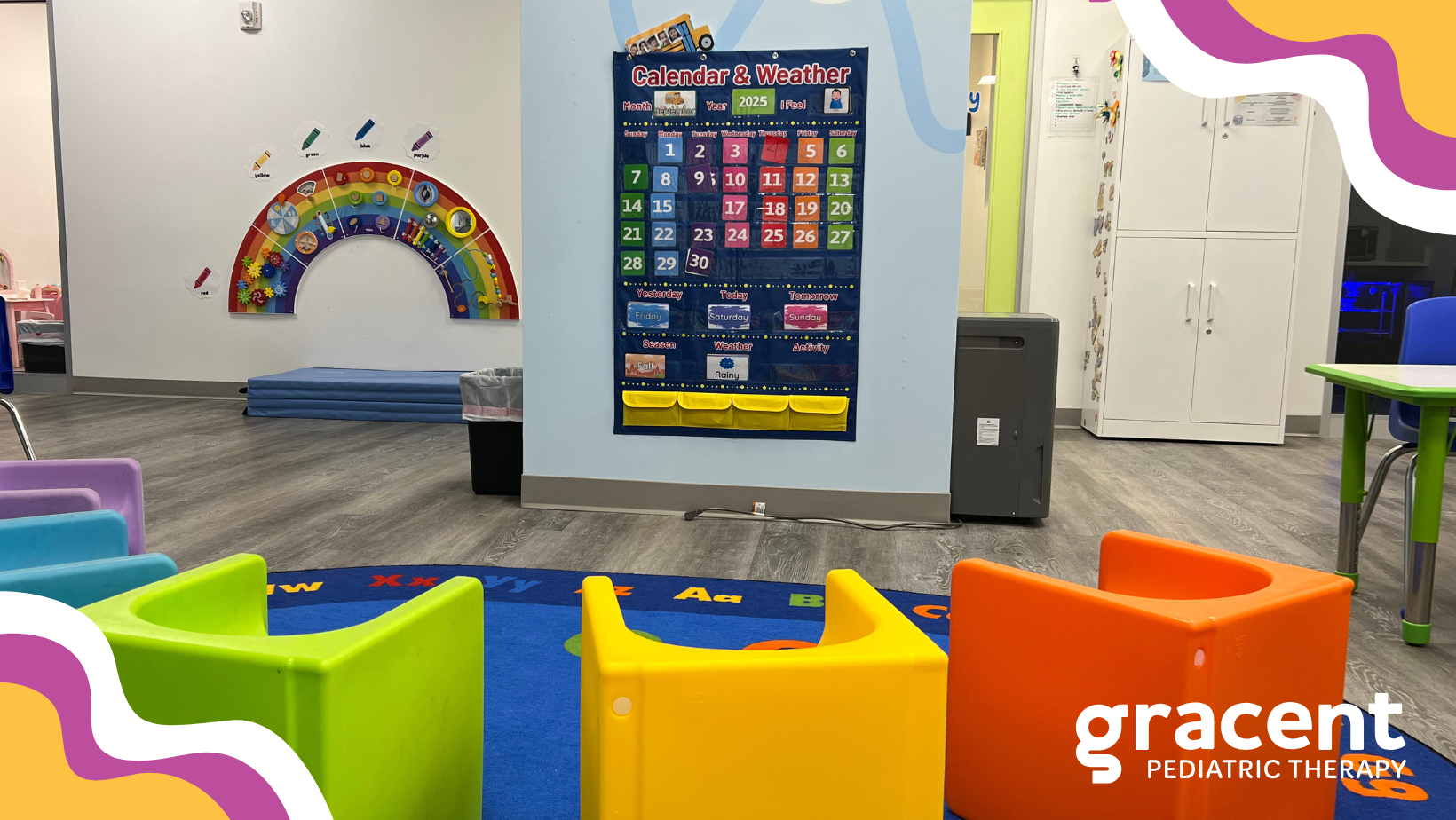
Our therapy spaces in Southlake and Keller are designed to be child-friendly and supportive, so children feel safe and confident while learning.
Some families worry that ABA therapy doesn’t respect a child’s emotions or autonomy, or that it may overlook the importance of the child's well-being.
The reality: At Gracent Pediatric Therapy, we practice assent-based ABA—a compassionate approach that ensures children have a voice during therapy. This means:
By building trust and making therapy engaging, our therapists create a true partnership with children—focusing on collaboration, not compliance.
Some worry that ABA tries to erase differences or change a child’s personality.
The reality: ABA is not about changing who a child is—it’s about changing behavior to support the child's growth by equipping them with tools to overcome barriers and thrive.
At Gracent Pediatric Therapy, we celebrate each child’s individuality while helping them build essential skills like communication, independence, and meaningful social connections. Building self-confidence is a key goal of therapy, so children can live more confident, fulfilling lives while staying true to who they are.
Another misconception is that ABA therapy is only beneficial for children with severe autism.
The reality: ABA therapy is effective for autistic children across the autism spectrum. At Gracent Pediatric Therapy, we support toddlers just learning early communication skills, preschoolers preparing for kindergarten, and older children working on independence and life skills.
ABA is adaptable—it benefits autistic children from early childhood through later developmental stages, meeting them where they are developmentally and helping them progress at their own pace.
Some assume parents aren’t part of the therapy process.
The reality: Parent involvement is critical to a child’s success in ABA therapy. At Gracent Pediatric Therapy, we partner with families through parent training and coaching so strategies can be reinforced at home. When parents feel empowered, children make even greater progress.
ABA therapy uses proven strategies and structured procedures like:
Each therapy session is designed to teach specific skills, monitor progress, and adjust plans as needed. ABA is effective because it is based on understanding how behavior works, applying scientific principles to modify behaviors and promote positive outcomes.
ABA often works alongside speech therapy, occupational therapy, and other interventions to ensure a child’s development is supported in all areas.
When your family begins an ABA program, you can expect a thorough and supportive process designed to help your child succeed. The journey starts with a detailed assessment of your child’s current skills, strengths, and areas for growth. From there, a personalized therapy plan is created, outlining specific goals and the techniques that will be used to achieve them.
ABA therapy sessions may be one-on-one, in small groups, or a mix of both, depending on your child’s needs. Parents and caregivers are an essential part of the process, receiving training and support to use ABA techniques at home and in everyday life. Progress is closely monitored, with regular updates and adjustments to ensure your child is making positive changes in social functioning, communication, and daily living skills. With a dedicated ABA team and a well-structured program, families can look forward to seeing their child gain confidence, learn new skills, and enjoy greater success in daily life.
Many insurance providers cover ABA services, not just therapy. Requirements vary, but families often need a formal autism diagnosis. Our team at Gracent Pediatric Therapy helps families navigate the insurance process to make accessing care as simple as possible.
When choosing an ABA provider in the Dallas area, look for:
At Gracent Pediatric Therapy, our Texas clinics in Southlake and Keller are staffed with experienced professionals who are committed to respectful, personalized care.
At Gracent Pediatric Therapy, we believe therapy should empower children, not pressure them. Our approach prioritizes the child's well-being and includes:
Our mission is simple: to help children grow, learn, and thrive—while being fully respected for who they are.
If you’ve heard myths about ABA therapy being harmful or only focused on compliance, rest assured: modern ABA, especially as practiced at Gracent Pediatric Therapy, is safe, supportive, and child-centered. ABA therapy is not intended to cure autism, but to support autistic children in developing skills, independence, and a better quality of life.
With clinics in Southlake and Keller, Gracent Pediatric Therapy offers assent-based ABA programs that prioritize your child’s voice, independence, and progress.
Ready to learn more? Contact Gracent Pediatric Therapy today to schedule an ABA consultation in Southlake or Keller and discover how we can support your child’s growth journey.



Gracent Pediatric Therapy — formerly Pine Cone Therapies in Texas and includes three North Shore Pediatric Therapy centers in Illinois — is part of the Gracent network and a sister company to North Shore Pediatric Therapy. Together, we’re creating connected, compassionate care for children and families across every stage of growth.
Services at North Shore Pediatric Therapy and Gracent Pediatric Therapy centers are provided by affiliated professional corporations.