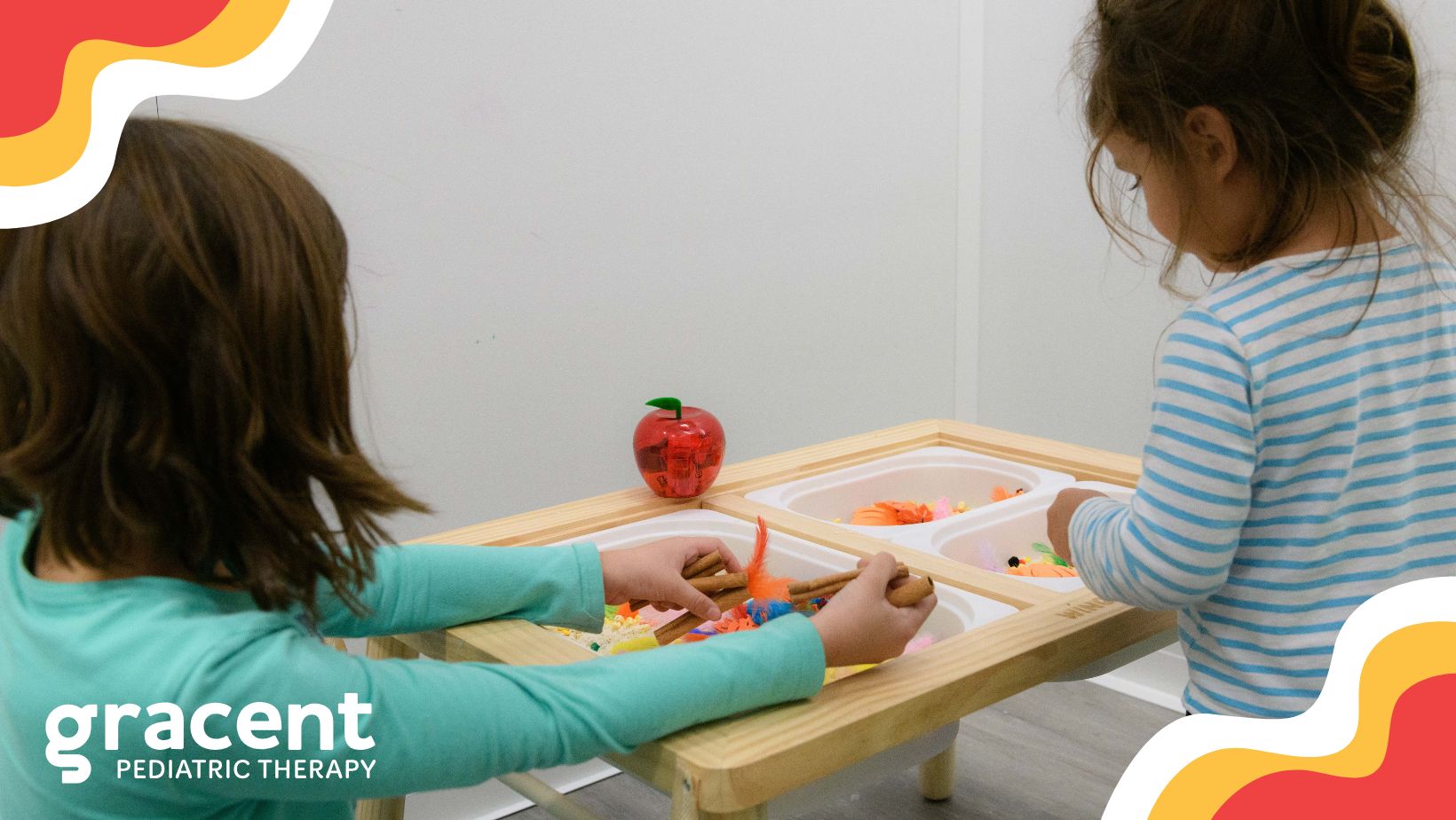
Kindergarten readiness checklist for parents: the everyday skills that matter most, how to practice them at home, and how to plan if your child needs extra support.
Have a question about your child? Our team will listen, answer your questions, and help you find the right next step, with no pressure.
The short answer: Kindergarten readiness isn't about reading or counting to 100. The skills that help children most are the everyday ones: taking care of basic needs, asking for help, following simple directions, waiting a turn, handling transitions and playing alongside other kids. Use the checklist below as a guide to what to practice, not a test your child has to pass. In both Illinois and Texas, children who turn 5 by September 1 can start kindergarten that fall.
If you're looking at this list and feeling a knot in your stomach, take a breath. No child checks every box, and readiness grows with practice and support. The point is to know where to focus, not to measure your child against anyone else.
As you read each skill, sort it into one of three groups: Ready (your child does it most days), Building (sometimes, or with help) or Working on it (not yet). Most children have some of each. The "Building" and "Working on it" skills are your practice list.
Academics come last on this list on purpose. Kindergarten teachers teach letters and numbers. What helps children thrive is being able to take part in the day.
Some children need more time or more help with these skills, especially children who are autistic or have speech, sensory or developmental differences. That's not a reason to worry. It's a reason to plan.
Readiness isn't a deadline your child has to beat. A good school is also getting ready for your child.
The most important skills are everyday ones: using the bathroom, asking for help, following simple directions, taking turns, handling transitions and playing with other kids. Letters and numbers help, but kindergarten teachers expect to teach those.
In both Illinois and Texas, children who turn 5 on or before September 1 can start kindergarten that school year.
It depends on your child. Talk with your child's preschool teacher, therapists and the school before deciding. For many children, the right supports in kindergarten matter more than an extra year of waiting.
Policies vary by school, and children with disabilities have a right to the support they need. If toileting is still a work in progress, talk with the school and your child's team about a plan.
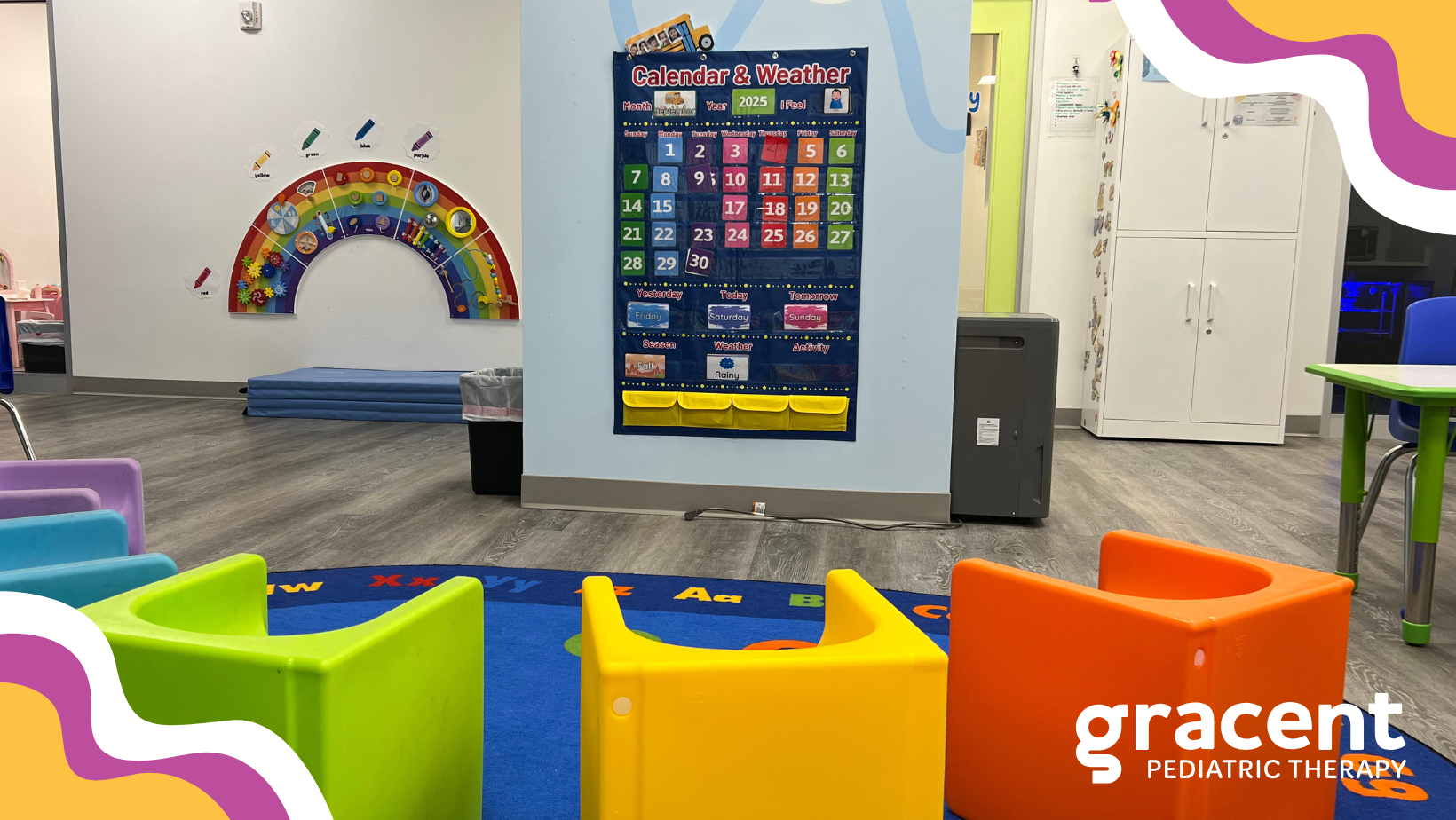
A school readiness program helps children practice classroom routines, like circle time, group activities and transitions, in a smaller, supported setting before they start school. Ours combines that classroom practice with therapy support.
Sources: Illinois School Code (105 ILCS 5/10-20.12) and Texas Education Code §25.001 on kindergarten entry age. Checklist skills reflect common early-childhood readiness areas: self-care, communication, social skills, emotional regulation, motor skills and early learning.
Our half-day prep school program helps children who still need one-on-one support practice circle time, centers, transitions and group play, with therapy woven into the day. Every one of our centers offers prep school.
One call is enough to start. Call 817-984-8655 to ask about prep school near you.



Gracent Pediatric Therapy — formerly Pine Cone Therapies in Texas and includes three North Shore Pediatric Therapy centers in Illinois — is part of the Gracent network and a sister company to North Shore Pediatric Therapy. Together, we’re creating connected, compassionate care for children and families across every stage of growth.
Services at North Shore Pediatric Therapy and Gracent Pediatric Therapy centers are provided by affiliated professional corporations.