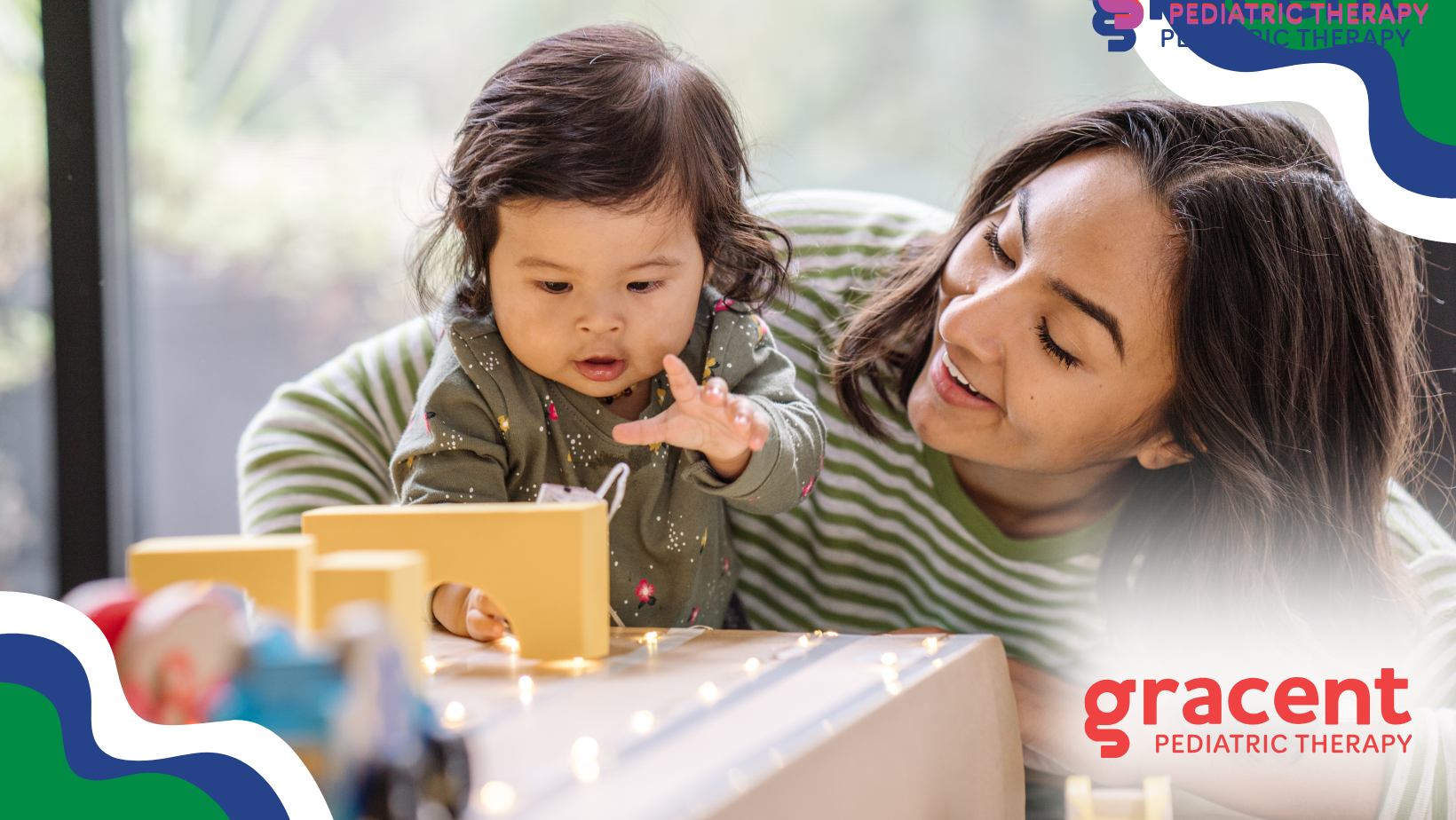
Learn how multidisciplinary autism therapy combines ABA, speech, and occupational therapy to support whole-child development.
.png)
Have a question about your child? Our team will listen, answer your questions, and help you find the right next step, with no pressure.
When a child is diagnosed with autism, many parents immediately begin researching therapy options. Terms like ABA therapy, speech therapy, occupational therapy, and autism evaluations often come up — and it can feel overwhelming trying to understand which services your child may need.
The truth is that autism affects many areas of development, including communication, social interaction, sensory processing, and daily living skills. Because of this, many children benefit most from a multidisciplinary autism therapy approach, where multiple specialists work together to support the child’s development. Multidisciplinary therapy supports a child's development by focusing on each child's unique abilities and strengths, ensuring that interventions are tailored to promote meaningful progress.
At Gracent Pediatric Therapy, we believe in supporting the whole child. Our team collaborates across disciplines — including ABA therapy, speech therapy, occupational therapy, and autism testing — to create individualized care plans. These plans are tailored to each child's unique strengths and developmental needs, and are developed in collaboration with families to reflect the family's goals, ensuring that therapy is both personalized and effective.
In this guide, we’ll explore what multidisciplinary autism therapy is, why it matters, and how coordinated care can support whole-child development.
Multidisciplinary autism therapy refers to a collaborative treatment approach where professionals from different therapy specialties work together to support a child’s development.
Rather than focusing on a single skill area, this approach looks at the child as a whole. Therapists communicate regularly, align treatment goals, and coordinate strategies so that progress in one therapy supports progress in another.
A multidisciplinary autism therapy team may include:
When these professionals collaborate, children receive more comprehensive and consistent support. Many centers offer a supportive environment and center-based ABA therapy, where children benefit from structured, in-person services. Therapy centers in Chicago provide assessments with Board Certified Behavioral Analysts (BCBAs) and offer individualized treatment plans as part of their ABA therapy services.
Autism spectrum disorder (ASD) affects children in different ways, but it commonly impacts several developmental domains.
Autistic children may experience challenges with:
Because these areas are interconnected, addressing only one area may not fully support the child’s needs.
For example:
Comprehensive ABA therapy is designed to support learning and enhance learning across all areas of development. ABA therapy helps children build practical skills and reduce behaviors that may make learning harder, supporting their overall progress.
When therapists collaborate, children can apply skills more consistently across environments.
Applied Behavior Analysis (ABA) is one of the most widely used evidence-based therapies for autistic children.ABA therapy provided in a structured center environment is considered the most effective method for helping autistic children learn and grow.
Comprehensive ABA therapy is designed to enhance communication, socialization, and self-care skills, helping each child grow and reach their full potential. ABA therapy can lead to an 86% reduction in challenging behaviors such as aggression and self-injury when comprehensive therapy is provided. Research shows that ABA is most effective when started at an early age.
ABA therapy focuses on helping children learn new skills and reduce behaviors that interfere with learning or daily routines. Therapy goals often include:
ABA therapy breaks skills into manageable steps and uses positive reinforcement to help children build confidence and independence.
In a multidisciplinary therapy model, ABA therapists often reinforce communication, play, and self-regulation goals that are also targeted in speech and occupational therapy.
Communication challenges are one of the most common characteristics of autism. Some children may experience delayed speech, while others may struggle with social communication or conversation skills.
Early intervention, including speech therapy, can significantly improve long-term outcomes for autistic children. The M-CHAT-R is a widely used screening tool that helps identify communication challenges in toddlers and can guide families toward early intervention. Many autism therapy centers in Chicago focus on improving communication, socialization, and self-care skills for children.
Speech therapy focuses on helping children improve both verbal and nonverbal communication skills.
Speech-language pathologists may work with children to develop:
When speech therapists collaborate with ABA therapists, communication goals can be practiced across therapy sessions and daily routines.
For example, a child who learns to request items in speech therapy may practice the same skill during play activities in ABA therapy.
Autistic children often experience sensory processing differences that can affect attention, behavior, and participation in daily activities.
Occupational therapy (OT) supports children in developing the sensory, motor, and self-care skills needed for everyday life.
Occupational therapy may focus on:
Occupational therapy often takes place in a classroom setting, which helps support and enhance learning for autistic children. Early intervention in occupational therapy can enhance communication, social skills, and independence.
For many children, improved sensory regulation helps them engage more successfully in other therapies and learning environments.
For example, when a child learns strategies to regulate sensory input, they may find it easier to focus during communication or social skill activities.
For families who are just beginning their journey, the first step may be an autism evaluation.
The autism therapy process begins with an initial consultation, often offered as a free consultation, to discuss concerns and gather information. If your child does not have an autism diagnosis yet, parents can find diagnostic providers through autism therapy centers. The process typically includes obtaining a diagnosis, confirming insurance, and starting therapy, and many centers offer therapy immediately after a diagnosis is confirmed.
At Gracent Pediatric Therapy, our neuropsychology team provides comprehensive autism assessments using evidence-based tools. These evaluations help families understand their child’s developmental profile and determine the most appropriate therapy plan.
Early diagnosis allows children to begin intervention during critical developmental windows, when therapy can have the greatest impact.
Once a diagnosis is established, a multidisciplinary therapy plan can be created to address the child’s individual needs.
One of the greatest benefits of multidisciplinary therapy is consistency. When therapists collaborate, children receive reinforcement of the same skills across different environments.
For example:
This integrated approach helps children generalize skills — meaning they can apply what they learn in therapy to real-life situations.
Coordinated multidisciplinary autism therapy supports a child's development by reinforcing skills and supporting learning across different settings. Families are encouraged to be active participants in the therapy process to support their child's development and support learning.
Over time, this leads to stronger developmental outcomes.
Parents and caregivers play a critical role in multidisciplinary autism therapy.
At Gracent Pediatric Therapy, we are dedicated to serving families and working collaboratively to achieve each family's goals. We view families as essential partners in the therapy process. Our teams provide parent education, coaching, and ongoing communication to help families support their child’s progress outside of therapy sessions.
When parents understand therapy strategies, they can reinforce skills during everyday routines such as:
Families who work with ABA therapy providers often notice significant improvements in their child's communication and social skills.
This consistency helps children continue building skills beyond the therapy environment.
Measuring progress and success is a cornerstone of effective ABA therapy for children with autism spectrum disorder. At Gracent Pediatric Therapy, our Board Certified Behavior Analysts (BCBAs) and Registered Behavior Technicians (RBTs) are dedicated to ensuring that every child’s therapy journey is guided by clear, measurable outcomes.
Using the principles of applied behavior analysis (ABA), our team sets individualized goals tailored to each child’s unique strengths and needs. Throughout therapy sessions, registered behavior technicians collect detailed data on skill development, challenging behaviors, and daily routines. This data-driven approach allows board certified behavior analysts to closely monitor each child’s progress and make informed decisions about the next steps in their ABA program.
Regular assessments and progress reviews are built into our therapy process. Families are kept informed every step of the way, with BCBAs sharing updates and collaborating with parents to celebrate successes and address any new challenges. This ongoing communication ensures that therapy remains aligned with the family’s goals and the child’s development.
By continuously measuring progress, our team can adjust therapy strategies to maximize meaningful growth for autistic children. This commitment to evidence-based, personalized care helps children achieve real progress—both in the clinic and in everyday life.
At Gracent Pediatric Therapy, our team works collaboratively to support children and families through coordinated care. We serve families in Chicago, IL, Tinley Park, Lincoln Park, Oak Lawn, Aurora, Joliet, and surrounding suburbs, ensuring convenient access to multidisciplinary autism therapy throughout the region.
Our services include:
Gracent Pediatric Therapy is one of several ABA therapy centers in the area. These centers offer comprehensive autism care and support for families, including flexible scheduling and a range of evidence-based therapies. Rise Up for Autism has locations in Chicago, Aurora, Joliet, and Tinley Park. Cultivate Behavioral Health & Education provides comprehensive ABA therapy across the entire Chicago area, and Action Behavior Centers offers ABA therapy for children diagnosed with autism spectrum disorder in Chicago.
We proudly serve families across multiple locations, including Illinois and Texas, making it easier for children to receive comprehensive autism therapy close to home.
By working together across disciplines, our therapists create individualized plans that support each child’s communication, independence, and confidence.
Every autistic child has unique strengths and challenges. A multidisciplinary therapy approach allows treatment plans to evolve as the child grows. Therapy plans are tailored to each child's unique strengths and needs, helping each child grow and reach their full potential.
For younger children, therapy may focus on:
Children who receive early intervention services often achieve developmental milestones more effectively. Additionally, autistic children who receive comprehensive ABA therapy early in life show lasting improvements even as therapy hours are reduced over time.
For older children, therapy may focus on:
By adapting therapy goals over time, multidisciplinary teams can continue supporting development at every stage.
If your child has been diagnosed with autism — or if you are exploring therapy options — a multidisciplinary approach may provide the most comprehensive support.
At Gracent Pediatric Therapy, our team works together to provide coordinated care that supports the whole child. We offer therapy provided by professionals with advanced qualifications, such as a master's degree in applied behavior analysis.
From ABA therapy and speech therapy to occupational therapy and autism evaluations, we are committed to helping children build the skills they need to thrive.
Contact Gracent Pediatric Therapy today to schedule a free consultation to discuss your child's needs and learn more about the therapy options we offer. Before starting autism therapy, we recommend confirming your insurance benefits to understand your coverage options and ensure a smooth process for your family.



Gracent Pediatric Therapy — formerly Pine Cone Therapies in Texas and includes three North Shore Pediatric Therapy centers in Illinois — is part of the Gracent network and a sister company to North Shore Pediatric Therapy. Together, we’re creating connected, compassionate care for children and families across every stage of growth.
Services at North Shore Pediatric Therapy and Gracent Pediatric Therapy centers are provided by affiliated professional corporations.